
Downloads · 30 days
36
1% of all-time downloads
eyupipler/bai
bai is a machine learning model from eyupipler. Use it for the machine learning task on the model card, and read the license before you ship it in a product. It is set up for keras. The card lists the license as cc-by-nc-sa-4.0.
- Geliştirici: Neurazum - Yayımcı: Eyüp İpler - Model Tipi: EEG - Lisans: CC-BY-NC-SA-4.0
Downloads · 30 days
36
1% of all-time downloads
All-time downloads
2.7K
Public
Repo size
67.7 MB
Likes
1
Public
Click a slice to open those files.
.keras68.3 MB · 100%
From the Hugging Face model README
Bu modellerdeki amacımız;
Klasik Kullanım:
import numpy as np
import pandas as pd
from sklearn.preprocessing import StandardScaler
from tensorflow.keras.models import load_model
import matplotlib.pyplot as plt

model_path = 'model-yolu'

model = load_model(model_path)

model_name = model_path.split('/')[-1].split('.')[0]

plt.figure(figsize=(10, 6))
plt.title(f'Duygu Tahmini ({model_name})')
plt.xlabel('Zaman')
plt.ylabel('Sınıf')
plt.legend(loc='upper right')
plt.grid(True)
plt.show()
model.summary()
Tahmin Testi:
import numpy as np
import pandas as pd
from sklearn.preprocessing import StandardScaler
from tensorflow.keras.models import load_model

model_path = 'model-yolu'

model = load_model(model_path)

scaler = StandardScaler()

predictions = model.predict(X_new_reshaped)
predicted_labels = np.argmax(predictions, axis=1)

label_mapping = {'NEGATIVE': 0, 'NEUTRAL': 1, 'POSITIVE': 2}
label_mapping_reverse = {v: k for k, v in label_mapping.items()}

#new_input = np.array([[23, 465, 12, 9653] * 637])
new_input = np.random.rand(1, 2548)  # 1 örnek ve 2548 özellik
new_input_scaled = scaler.fit_transform(new_input)
new_input_reshaped = new_input_scaled.reshape((new_input_scaled.shape[0], 1, new_input_scaled.shape[1]))

new_prediction = model.predict(new_input_reshaped)
predicted_label = np.argmax(new_prediction, axis=1)[0]
predicted_emotion = label_mapping_reverse[predicted_label]

# TR Lang
if predicted_emotion == 'NEGATIVE':
    predicted_emotion = 'Negatif'
elif predicted_emotion == 'NEUTRAL':
    predicted_emotion = 'Nötr'
elif predicted_emotion == 'POSITIVE':
    predicted_emotion = 'Pozitif'

print(f'Girilen Veri: {new_input}')
print(f'Tahmin Edilen Duygu: {predicted_emotion}')
Gerçek Zamanlı Kullanım (Modelsiz):
import sys
import pyaudio
import numpy as np
import matplotlib.pyplot as plt
from matplotlib.lines import Line2D
from PyQt5.QtWidgets import QApplication, QMainWindow, QPushButton, QVBoxLayout, QWidget
from PyQt5.QtCore import QTimer
from PyQt5.QtGui import QIcon
from matplotlib.backends.backend_qt5agg import FigureCanvasQTAgg as FigureCanvas
from matplotlib.backends.backend_qt5agg import NavigationToolbar2QT as NavigationToolbar


CHUNK = 1000  # Chunk size
FORMAT = pyaudio.paInt16  # Data type (16-bit PCM)
CHANNELS = 1  # (Mono)
RATE = 2000  # Sample rate (Hz)

p = pyaudio.PyAudio()

stream = p.open(format=FORMAT,
                channels=CHANNELS,
                rate=RATE,
                input=True,
                frames_per_buffer=CHUNK)


class MainWindow(QMainWindow):
    def __init__(self):
        super().__init__()

        self.initUI()

        self.timer = QTimer()
        self.timer.timeout.connect(self.update_plot)
        self.timer.start(1)

    def initUI(self):
        self.setWindowTitle('EEG Monitoring by Neurazum')
        self.setWindowIcon(QIcon('/neurazumicon.ico'))

        self.central_widget = QWidget()
        self.setCentralWidget(self.central_widget)

        self.layout = QVBoxLayout(self.central_widget)

        self.fig, (self.ax1, self.ax2) = plt.subplots(2, 1, figsize=(12, 8), gridspec_kw={'height_ratios': [9, 1]})
        self.fig.tight_layout()
        self.canvas = FigureCanvas(self.fig)

        self.layout.addWidget(self.canvas)

        self.toolbar = NavigationToolbar(self.canvas, self)
        self.layout.addWidget(self.toolbar)

        self.x = np.arange(0, 2 * CHUNK, 2)
        self.line1, = self.ax1.plot(self.x, np.random.rand(CHUNK))
        self.line2, = self.ax2.plot(self.x, np.random.rand(CHUNK))

        self.legend_elements = [
            Line2D([0, 4], [0], color='yellow', lw=4, label='DELTA (0hz-4hz)'),
            Line2D([4, 7], [0], color='blue', lw=4, label='TETA (4hz-7hz)'),
            Line2D([8, 12], [0], color='green', lw=4, label='ALFA (8hz-12hz)'),
            Line2D([12, 30], [0], color='red', lw=4, label='BETA (12hz-30hz)'),
            Line2D([30, 100], [0], color='purple', lw=4, label='GAMA (30hz-100hz)')
        ]

    def update_plot(self):
        data = np.frombuffer(stream.read(CHUNK), dtype=np.int16)
        data = np.abs(data)
        voltage_data = data * (3.3 / 1024)  # Voltajı "mV"'ye dönüştürme
        frequency = voltage_data / (RATE * 1000) # Frekans hesaplama

        self.line1.set_ydata(data)
        self.line2.set_ydata(frequency)

        for coll in self.ax1.collections:
            coll.remove()

        self.ax1.fill_between(self.x, data, where=((self.x >= 0) & (self.x <= 4)), color='yellow', alpha=1)
        self.ax1.fill_between(self.x, data, where=((self.x >= 4) & (self.x <= 7)), color='blue', alpha=1)
        self.ax1.fill_between(self.x, data, where=((self.x >= 8) & (self.x <= 12)), color='green', alpha=1)
        self.ax1.fill_between(self.x, data, where=((self.x >= 12) & (self.x <= 30)), color='red', alpha=1)
        self.ax1.fill_between(self.x, data, where=((self.x >= 30) & (self.x <= 100)), color='purple', alpha=1)

        self.ax1.legend(handles=self.legend_elements, loc='upper right')
        self.ax1.set_ylabel('Genlik (uV)')
        self.ax1.set_xlabel('Frekans (Hz)')
        self.ax1.set_title('Frekans ve Genlik Değerleri')

        self.ax2.set_ylabel('Voltaj (mV)')
        self.ax2.set_xlabel('Zaman')

        self.canvas.draw()

    def close_application(self):
        self.timer.stop()
        stream.stop_stream()
        stream.close()
        p.terminate()
        sys.exit(app.exec_())


if __name__ == '__main__':
    app = QApplication(sys.argv)
    mainWin = MainWindow()
    mainWin.show()
    sys.exit(app.exec_())
Duyguları İçeren Veri Seti Üzerinde Tahmin:
import numpy as np
import pandas as pd
from sklearn.preprocessing import StandardScaler
from tensorflow.keras.models import load_model

model_path = 'model-yolu'
new_data_path = 'veri-seti-yolu'

model = load_model(model_path)

new_data = pd.read_csv(new_data_path)

X_new = new_data.drop('label', axis=1)
y_new = new_data['label']

scaler = StandardScaler()
X_new_scaled = scaler.fit_transform(X_new)
X_new_reshaped = X_new_scaled.reshape((X_new_scaled.shape[0], 1, X_new_scaled.shape[1]))

predictions = model.predict(X_new_reshaped)
predicted_labels = np.argmax(predictions, axis=1)

label_mapping = {'NEGATIVE': 0, 'NEUTRAL': 1, 'POSITIVE': 2}
label_mapping_reverse = {v: k for k, v in label_mapping.items()}
actual_labels = y_new.replace(label_mapping).values

accuracy = np.mean(predicted_labels == actual_labels)

new_input = np.random.rand(2548, 2548)  # 1 örnek ve 2548 özellik
new_input_scaled = scaler.transform(new_input)
new_input_reshaped = new_input_scaled.reshape((new_input_scaled.shape[0], 1, new_input_scaled.shape[1]))

new_prediction = model.predict(new_input_reshaped)
predicted_label = np.argmax(new_prediction, axis=1)[0]
predicted_emotion = label_mapping_reverse[predicted_label]


# TR Lang
if predicted_emotion == 'NEGATIVE':
    predicted_emotion = 'Negatif'
elif predicted_emotion == 'NEUTRAL':
    predicted_emotion = 'Nötr'
elif predicted_emotion == 'POSITIVE':
    predicted_emotion = 'Pozitif'

print(f'Giriş Verisi: {new_input}')
print(f'Tahmin Edilen Duygu: {predicted_emotion}')
print(f'Doğruluk: %{accuracy * 100:.5f}')
bai Modelleri;
Not: Bu öğeler sadece modelin daha iyi çalışması için önerilerdir. Herhangi bir risk taşımazlar.
pip install -r requirements.txt
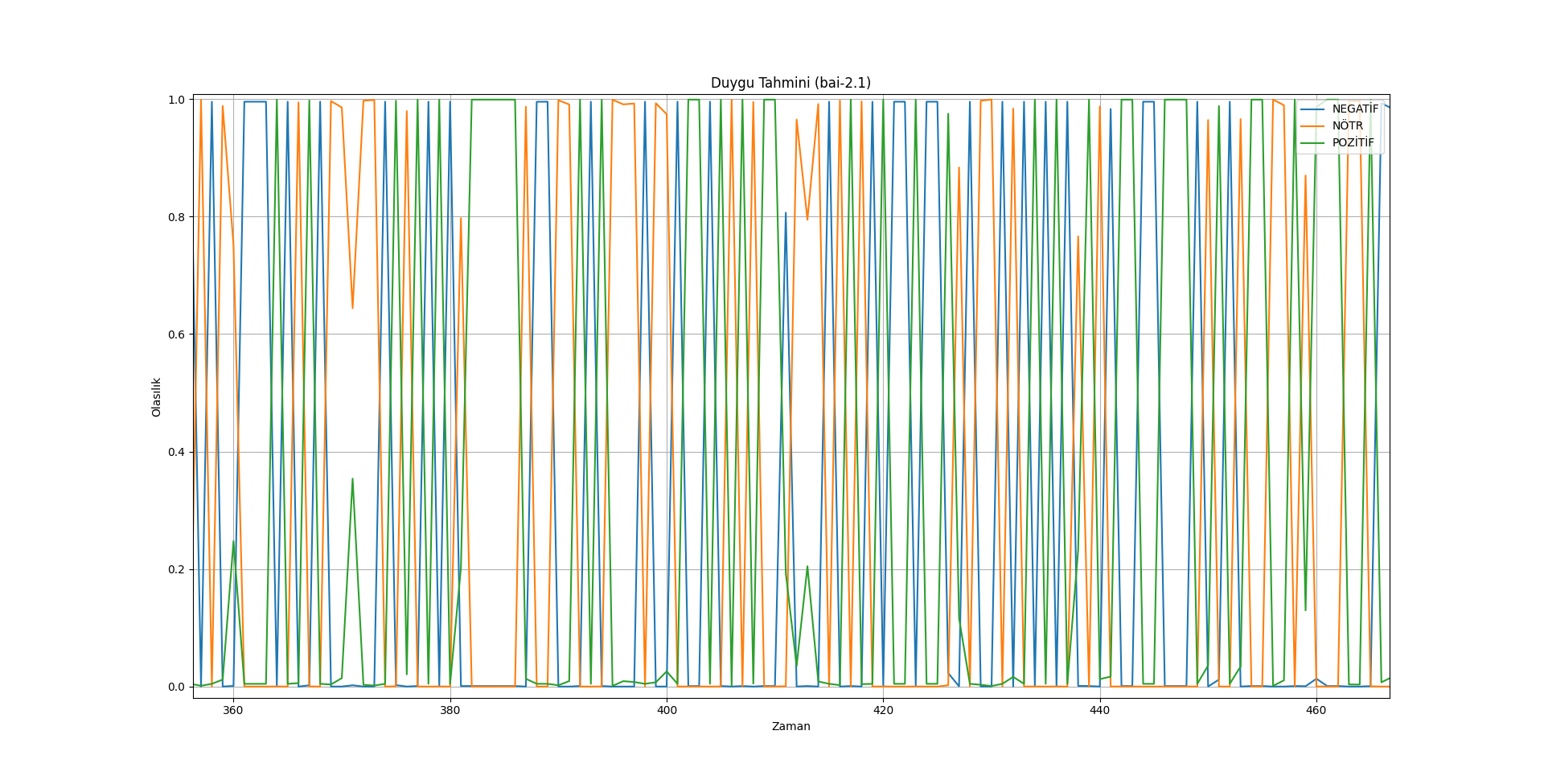
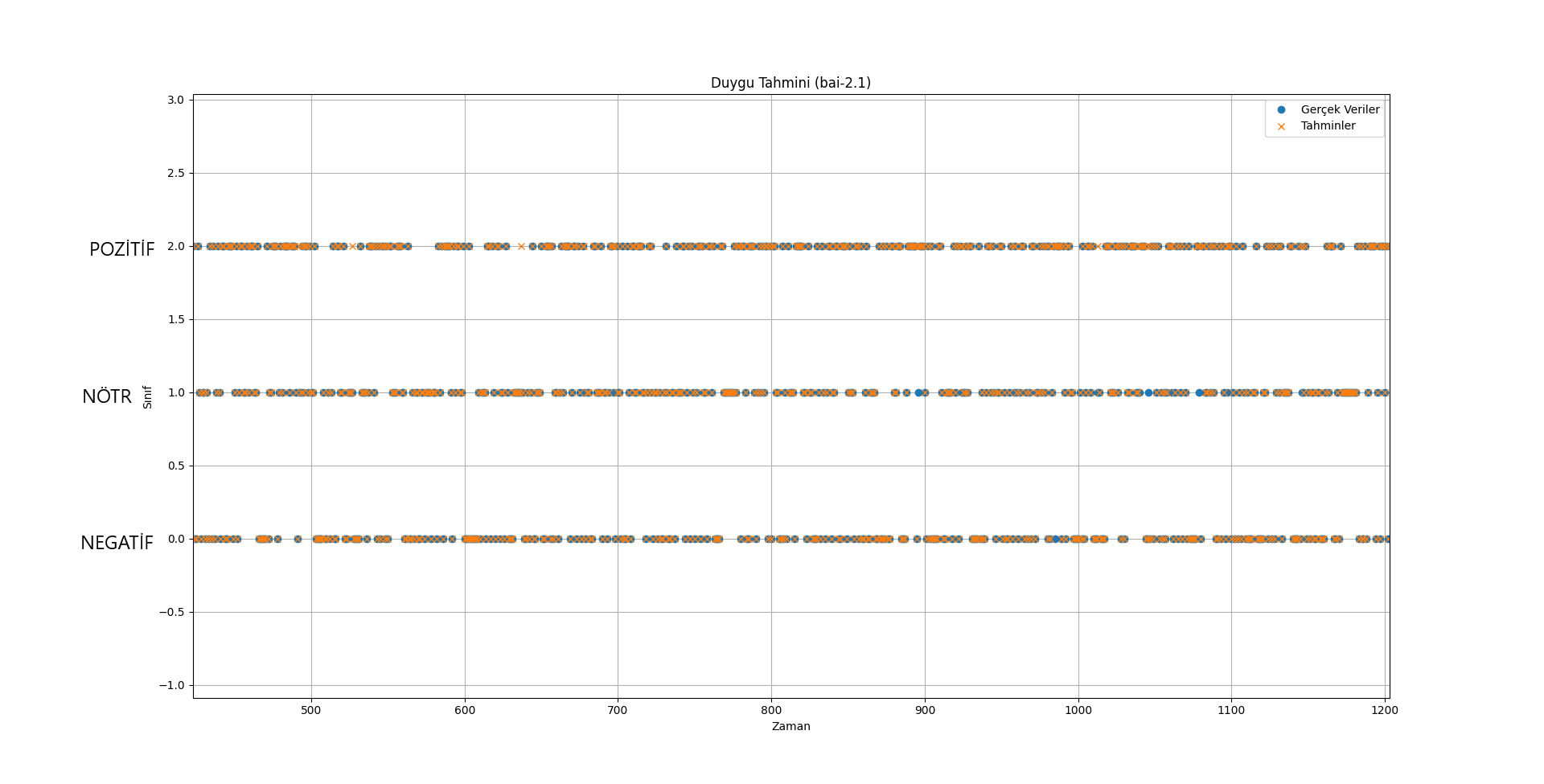
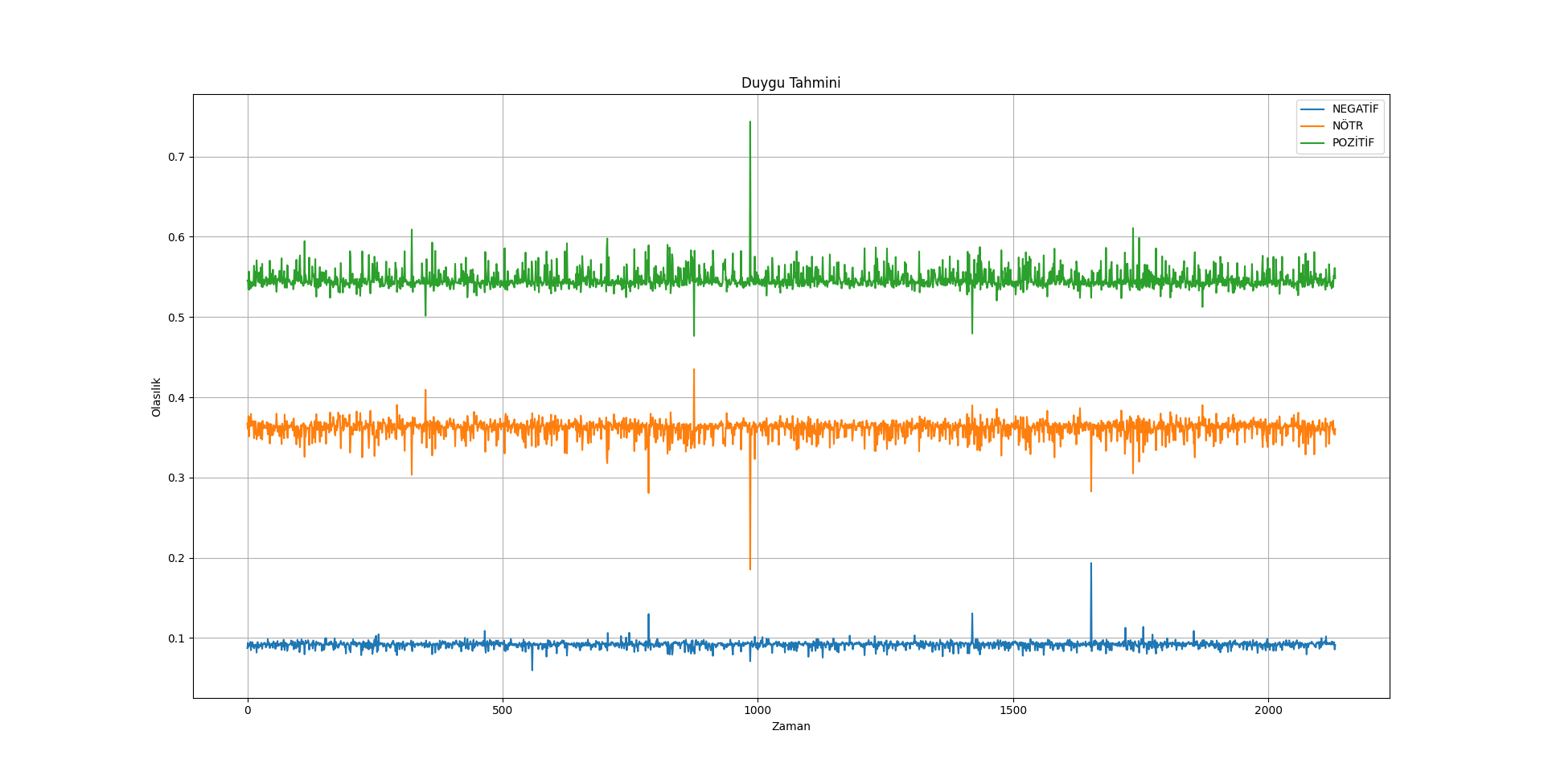
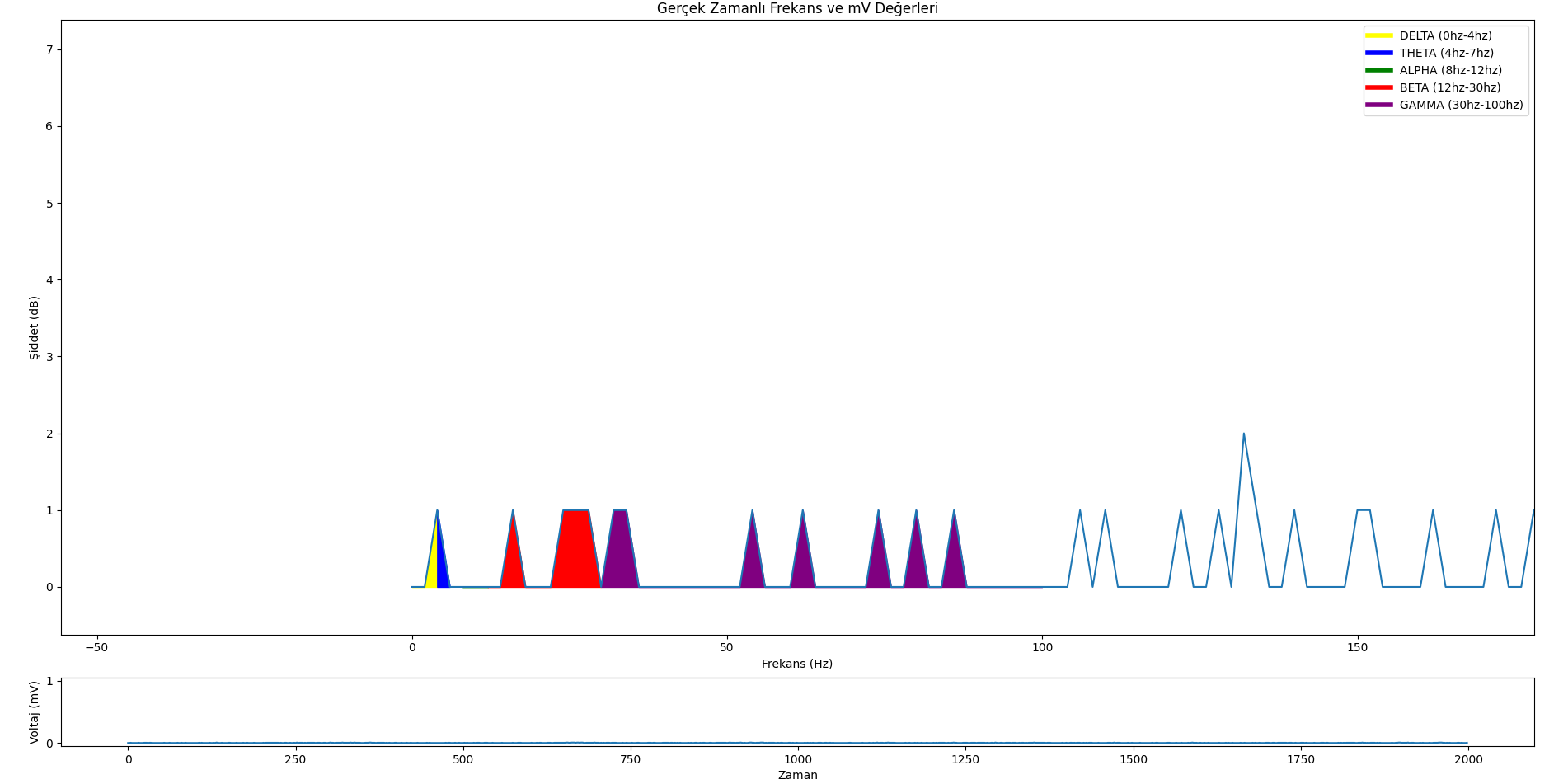
Özetle bai modelleri, kişinin düşüncelerini ve duygularını öğrenmek ve tahmin etmek için geliştirilmeye devam ediyor.
Tek ihtiyacınız olan şey EEG!
Daha sonra bu EEG cihazını (şimdilik sadece ses girişi ile) yayınladığımız gerçek zamanlı veri izleme uygulamasıyla çalıştırabilirsiniz.
GitHub: https://github.com/neurazum/Realtime-EEG-Monitoring
LinkedIn: https://www.linkedin.com/company/neurazum
Eyüp İpler - https://www.linkedin.com/in/eyupipler/
Our aim in these models;
Classical Use:
import numpy as np
import pandas as pd
from sklearn.preprocessing import StandardScaler
from tensorflow.keras.models import load_model
import matplotlib.pyplot as plt

model_path = 'model-path'

model = load_model(model_path)

model_name = model_path.split('/')[-1].split('.')[0]

plt.figure(figsize=(10, 6))
plt.title(f'Emotion Prediction ({model_name})')
plt.xlabel('Time')
plt.ylabel('Class')
plt.legend(loc='upper right')
plt.grid(True)
plt.show()
model.summary()
Prediction Test:
import numpy as np
import pandas as pd
from sklearn.preprocessing import StandardScaler
from tensorflow.keras.models import load_model

model_path = 'model-path'

model = load_model(model_path)

scaler = StandardScaler()

predictions = model.predict(X_new_reshaped)
predicted_labels = np.argmax(predictions, axis=1)

label_mapping = {'NEGATIVE': 0, 'NEUTRAL': 1, 'POSITIVE': 2}
label_mapping_reverse = {v: k for k, v in label_mapping.items()}

#new_input = np.array([[23, 465, 12, 9653] * 637])
new_input = np.random.rand(1, 2548)  # 1 sample and 2548 features
new_input_scaled = scaler.fit_transform(new_input)
new_input_reshaped = new_input_scaled.reshape((new_input_scaled.shape[0], 1, new_input_scaled.shape[1]))

new_prediction = model.predict(new_input_reshaped)
predicted_label = np.argmax(new_prediction, axis=1)[0]
predicted_emotion = label_mapping_reverse[predicted_label]

# TR Lang
if predicted_emotion == 'NEGATIVE':
    predicted_emotion = 'Negatif'
elif predicted_emotion == 'NEUTRAL':
    predicted_emotion = 'Nötr'
elif predicted_emotion == 'POSITIVE':
    predicted_emotion = 'Pozitif'

print(f'Input Data: {new_input}')
print(f'Predicted Emotion: {predicted_emotion}')
Realtime Use (EEG Monitoring without AI Model):
import sys
import pyaudio
import numpy as np
import matplotlib.pyplot as plt
from matplotlib.lines import Line2D
from PyQt5.QtWidgets import QApplication, QMainWindow, QPushButton, QVBoxLayout, QWidget
from PyQt5.QtCore import QTimer
from PyQt5.QtGui import QIcon
from matplotlib.backends.backend_qt5agg import FigureCanvasQTAgg as FigureCanvas
from matplotlib.backends.backend_qt5agg import NavigationToolbar2QT as NavigationToolbar


CHUNK = 1000  # Chunk size
FORMAT = pyaudio.paInt16  # Data type (16-bit PCM)
CHANNELS = 1  # (Mono)
RATE = 2000  # Sample rate (Hz)

p = pyaudio.PyAudio()

stream = p.open(format=FORMAT,
                channels=CHANNELS,
                rate=RATE,
                input=True,
                frames_per_buffer=CHUNK)


class MainWindow(QMainWindow):
    def __init__(self):
        super().__init__()

        self.initUI()

        self.timer = QTimer()
        self.timer.timeout.connect(self.update_plot)
        self.timer.start(1)

    def initUI(self):
        self.setWindowTitle('EEG Monitoring by Neurazum')
        self.setWindowIcon(QIcon('/neurazumicon.ico'))

        self.central_widget = QWidget()
        self.setCentralWidget(self.central_widget)

        self.layout = QVBoxLayout(self.central_widget)

        self.fig, (self.ax1, self.ax2) = plt.subplots(2, 1, figsize=(12, 8), gridspec_kw={'height_ratios': [9, 1]})
        self.fig.tight_layout()
        self.canvas = FigureCanvas(self.fig)

        self.layout.addWidget(self.canvas)

        self.toolbar = NavigationToolbar(self.canvas, self)
        self.layout.addWidget(self.toolbar)

        self.x = np.arange(0, 2 * CHUNK, 2)
        self.line1, = self.ax1.plot(self.x, np.random.rand(CHUNK))
        self.line2, = self.ax2.plot(self.x, np.random.rand(CHUNK))

        self.legend_elements = [
            Line2D([0, 4], [0], color='yellow', lw=4, label='DELTA (0hz-4hz)'),
            Line2D([4, 7], [0], color='blue', lw=4, label='THETA (4hz-7hz)'),
            Line2D([8, 12], [0], color='green', lw=4, label='ALPHA (8hz-12hz)'),
            Line2D([12, 30], [0], color='red', lw=4, label='BETA (12hz-30hz)'),
            Line2D([30, 100], [0], color='purple', lw=4, label='GAMMA (30hz-100hz)')
        ]

    def update_plot(self):
        data = np.frombuffer(stream.read(CHUNK), dtype=np.int16)
        data = np.abs(data)
        voltage_data = data * (3.3 / 1024)  # Voltage to "mV"
        frequency = voltage_data / (RATE * 1000) # Calculate to  frequency

        self.line1.set_ydata(data)
        self.line2.set_ydata(frequency)

        for coll in self.ax1.collections:
            coll.remove()

        self.ax1.fill_between(self.x, data, where=((self.x >= 0) & (self.x <= 4)), color='yellow', alpha=1)
        self.ax1.fill_between(self.x, data, where=((self.x >= 4) & (self.x <= 7)), color='blue', alpha=1)
        self.ax1.fill_between(self.x, data, where=((self.x >= 8) & (self.x <= 12)), color='green', alpha=1)
        self.ax1.fill_between(self.x, data, where=((self.x >= 12) & (self.x <= 30)), color='red', alpha=1)
        self.ax1.fill_between(self.x, data, where=((self.x >= 30) & (self.x <= 100)), color='purple', alpha=1)

        self.ax1.legend(handles=self.legend_elements, loc='upper right')
        self.ax1.set_ylabel('Amplitude (uV)')
        self.ax1.set_xlabel('Frequency (Hz)')
        self.ax1.set_title('Frequency and mV')

        self.ax2.set_ylabel('Voltage (mV)')
        self.ax2.set_xlabel('Time')

        self.canvas.draw()

    def close_application(self):
        self.timer.stop()
        stream.stop_stream()
        stream.close()
        p.terminate()
        sys.exit(app.exec_())


if __name__ == '__main__':
    app = QApplication(sys.argv)
    mainWin = MainWindow()
    mainWin.show()
    sys.exit(app.exec_())
Emotion Dataset Prediction Use:
import numpy as np
import pandas as pd
from sklearn.preprocessing import StandardScaler
from tensorflow.keras.models import load_model

model_path = 'model-path'
new_data_path = 'dataset-path'

model = load_model(model_path)

new_data = pd.read_csv(new_data_path)

X_new = new_data.drop('label', axis=1)
y_new = new_data['label']

scaler = StandardScaler()
X_new_scaled = scaler.fit_transform(X_new)
X_new_reshaped = X_new_scaled.reshape((X_new_scaled.shape[0], 1, X_new_scaled.shape[1]))

predictions = model.predict(X_new_reshaped)
predicted_labels = np.argmax(predictions, axis=1)

label_mapping = {'NEGATIVE': 0, 'NEUTRAL': 1, 'POSITIVE': 2}
label_mapping_reverse = {v: k for k, v in label_mapping.items()}
actual_labels = y_new.replace(label_mapping).values

accuracy = np.mean(predicted_labels == actual_labels)

new_input = np.random.rand(2548, 2548)  # 1 sample and 2548 features
new_input_scaled = scaler.transform(new_input)
new_input_reshaped = new_input_scaled.reshape((new_input_scaled.shape[0], 1, new_input_scaled.shape[1]))

new_prediction = model.predict(new_input_reshaped)
predicted_label = np.argmax(new_prediction, axis=1)[0]
predicted_emotion = label_mapping_reverse[predicted_label]


# TR Lang
if predicted_emotion == 'NEGATIVE':
    predicted_emotion = 'Negatif'
elif predicted_emotion == 'NEUTRAL':
    predicted_emotion = 'Nötr'
elif predicted_emotion == 'POSITIVE':
    predicted_emotion = 'Pozitif'

print(f'Inputs: {new_input}')
print(f'Predicted Emotion: {predicted_emotion}')
print(f'Accuracy: %{accuracy * 100:.5f}')
bai Models;
Note: These items are only recommendations for better operation of the model. They do not carry any risk.
pip install -r requirements.txt
In summary, bai models continue to be developed to learn about and predict a person's thoughts and emotions.
The EEG is the only hardware!
You can then operate this EEG device (for the time being only with audio input) with the real-time data monitoring application we have published.
GitHub: https://github.com/neurazum/Realtime-EEG-Monitoring
LinkedIn: https://www.linkedin.com/company/neurazum
Eyüp İpler - https://www.linkedin.com/in/eyupipler/